
What Is Keratoconus? Symptoms, Causes, and Treatment Options
Imagine going to the eye doctor because your vision keeps getting blurrier, only to find out that a stronger glasses prescription isn't going to completely solve the problem. For some people, that's how they first discover they have a condition called keratoconus.
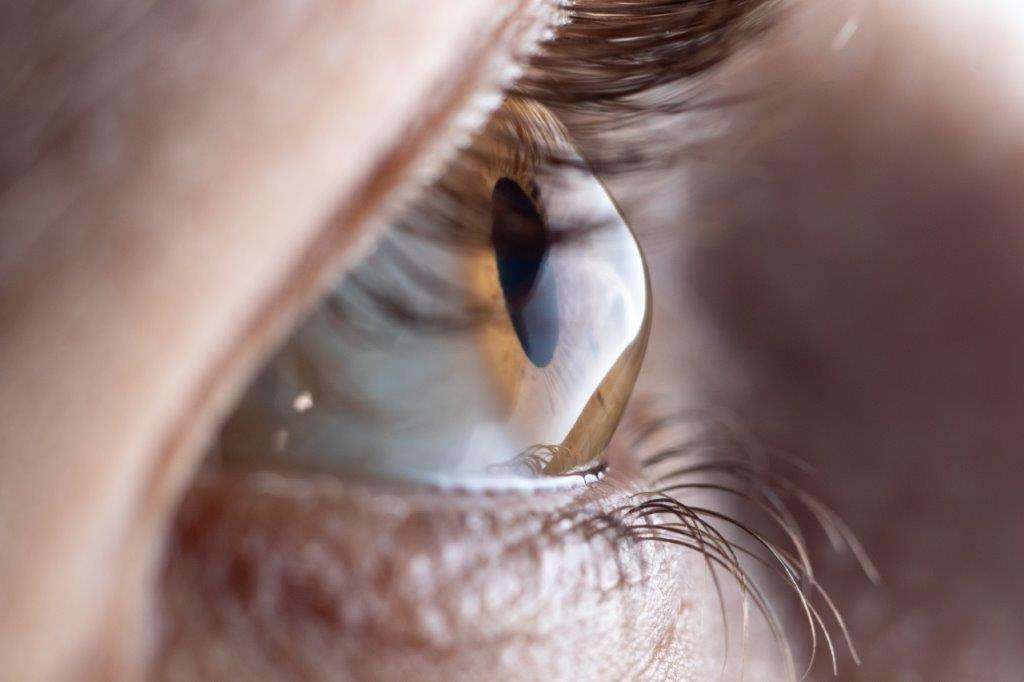
Keratoconus is an eye condition that changes the shape of your cornea, the clear outer layer at the front of your eye. As the cornea becomes thinner and begins to bulge outward, it can make everyday activities like reading, driving, and even recognizing faces more difficult.
Although a keratoconus diagnosis can sound intimidating, there are several ways to manage the condition and improve your vision. From specialty contact lenses to treatments that help prevent further progression, understanding your options is an important first step.
What Is Keratoconus?
Keratoconus occurs when the cornea gradually becomes thinner and develops an irregular, cone-like shape instead of maintaining its normal rounded curvature.
Your cornea plays an important role in focusing light onto the retina, which allows you to see clearly. When its shape changes, light no longer focuses properly, resulting in blurry or distorted vision.
Keratoconus typically begins during the teenage years or early adulthood, although it can develop at other ages. The condition usually affects both eyes, but one eye may be significantly more affected than the other.
For some people, keratoconus progresses slowly over many years. Others experience more noticeable changes in their vision over a shorter period of time. The progression can be unpredictable, which is why regular eye exams are especially important.
What Are the Symptoms of Keratoconus?
One of the earliest signs of keratoconus is vision that seems to keep changing, even after getting a new prescription for glasses or contact lenses.
Because the cornea becomes increasingly irregular, people with keratoconus may experience several symptoms, including:
- Blurry or distorted vision
- Increased sensitivity to bright lights and glare
- Difficulty seeing clearly at night
- Frequent changes in glasses or contact lens prescriptions
- Halos or streaks around lights
- Double or ghosted images, sometimes even when looking through one eye
Symptoms can vary depending on how advanced the condition is. In the earlier stages, glasses or regular soft contact lenses may provide adequate vision correction. However, as keratoconus progresses, these options may no longer provide the same level of clarity.
If you've noticed frequent prescription changes or worsening vision, it's worth scheduling an appointment with your eye doctor rather than assuming you simply need stronger glasses. Sudden changes in vision, particularly with pain or cloudiness, should be evaluated urgently.
What Causes Keratoconus?
The exact cause of keratoconus isn't fully understood, but researchers believe that genetics, environmental factors, and changes in the cornea's structural strength may all play a role.
Some people develop keratoconus without any known family history, while others have relatives with the condition. Having a family member with keratoconus can increase your risk, although it doesn't necessarily mean you'll develop it yourself.
Frequent or aggressive eye rubbing is also associated with keratoconus and may contribute to its progression. This is particularly important for people who experience itchy eyes due to allergies.
Although rubbing your eyes doesn't automatically mean you'll develop keratoconus, avoiding excessive eye rubbing is generally recommended, especially if you've already been diagnosed.
How Is Keratoconus Diagnosed?
Diagnosing keratoconus typically involves a comprehensive eye examination and specialized testing to evaluate the shape and thickness of your cornea.
According to the National Library of Medicine, eye care professionals may use several diagnostic tools, including corneal topography and tomography, which create detailed maps of the cornea.
These tests can identify subtle changes in corneal shape, sometimes before the condition causes significant symptoms. Your eye doctor may also measure corneal thickness and evaluate your prescription to determine whether keratoconus is present and how advanced it may be.
Early diagnosis is especially important because certain treatments can help slow or stop progression before more significant vision changes occur.
Can You Wear Contact Lenses With Keratoconus?
Yes! In fact, contact lenses are an important part of vision correction for many people with keratoconus. However, the type of contact lens you need may be different from the traditional soft lenses commonly used to correct nearsightedness or farsightedness.
Because keratoconus changes the shape of your cornea, standard contact lenses may not provide adequate vision correction as the condition progresses. Specialty lenses can help create a smoother optical surface, allowing light to focus more accurately.
According to the American Academy of Ophthalmology, different types of contact lenses may be recommended depending on the severity of the condition.
Soft Contact Lenses
In the early stages of keratoconus, some people can continue wearing traditional soft contact lenses.
These lenses may provide adequate correction when corneal irregularities are relatively mild. However, as the cornea becomes more cone-shaped, regular soft lenses may not correct the resulting visual distortion effectively.
Some eye care professionals may also recommend custom soft lenses specifically designed for irregular corneas. These are different from the standard disposable contact lenses typically prescribed for routine vision correction.
Rigid Gas-Permeable Contact Lenses
Rigid gas-permeable (RGP) lenses are another option for people with keratoconus.
Unlike traditional soft lenses, RGP lenses maintain their shape on the eye, creating a more regular optical surface that can improve visual clarity.
Although these lenses can provide excellent vision, some people find them less comfortable than soft lenses, particularly when first adjusting to them. Proper fitting is especially important because an irregular cornea can make finding a comfortable lens more challenging.
Scleral Contact Lenses
Scleral lenses are often recommended for people with more advanced keratoconus or those who struggle with the comfort of traditional rigid lenses.
These specialty lenses are larger than standard contacts and rest on the sclera, the white part of your eye, rather than directly on the cornea.
They vault over the irregular corneal surface, creating a fluid-filled space between the lens and the eye. This design can provide clearer vision while reducing direct contact with the sensitive cornea.
For many people with keratoconus, scleral lenses can make a significant difference in both comfort and everyday vision.
Because these lenses require specialized measurements and fitting, it's important to work with an eye care professional who has experience treating irregular corneas.
What Are the Treatment Options for Keratoconus?
Although specialty contact lenses can improve vision, they don't stop keratoconus from progressing. Depending on the severity of the condition, your eye doctor may recommend additional treatments to help preserve your vision.
Over recent years, keratoconus treatments have improved significantly, and many people can manage the condition without requiring a corneal transplant.
Corneal Cross-Linking
Corneal cross-linking is one of the most important treatments available for progressive keratoconus.
The procedure uses riboflavin (vitamin B2) eye drops and controlled ultraviolet light to strengthen the collagen structure within the cornea.
The goal is to slow or stop further changes in corneal shape, rather than directly correct your vision.
Cross-linking can be particularly valuable when keratoconus is diagnosed early, before substantial corneal changes have occurred. Your eye doctor can determine whether you're a candidate based on your corneal measurements, age, and evidence of progression.
Corneal Ring Segments
For some people, small implants called intracorneal ring segments may help reshape the cornea and reduce certain irregularities.
These implants are placed within the corneal tissue and may improve vision or make contact lenses easier to fit.
However, they aren't appropriate for everyone and don't replace treatments intended to stop progression.
Corneal Transplant
In more advanced cases, particularly when the cornea develops significant scarring or thinning, a corneal transplant may be necessary.
During this procedure, a surgeon replaces part or all of the affected cornea with healthy donor tissue.
Fortunately, many people with keratoconus can manage their vision with specialty lenses and other treatments without requiring a transplant.
Finding Financial Support for Specialty Contact Lenses
One of the challenges of living with keratoconus is that the specialty contact lenses needed to correct your vision can be expensive. Scleral lenses, in particular, often require custom fittings and specialized care, which can make them significantly more costly than traditional soft contact lenses.
Although Blue Planet Optics specializes in traditional contact lenses and does not sell scleral lenses, we believe everyone deserves access to clear, comfortable vision, regardless of their financial circumstances.
That's why we're proud to highlight organizations like the Angel Eyes Foundation, which helps individuals facing financial barriers access scleral lenses and related supplies. Their work focuses on making specialty vision care more accessible to people who might otherwise struggle to afford it.
If you or someone you know has keratoconus and is struggling with the cost of specialty lenses, the Angel Eyes Foundation is a resource worth exploring. You can also ask your eye care provider whether your specialty lenses may qualify for medical insurance coverage, since coverage can vary depending on your diagnosis and insurance plan.
FAQ
Can keratoconus cause blindness?
Keratoconus can cause significant vision impairment, particularly in advanced cases, but complete blindness is uncommon. With early diagnosis, appropriate treatment, and specialty vision correction, many people with keratoconus maintain useful vision throughout their lives.
Does keratoconus get worse with age?
Keratoconus often progresses most noticeably during adolescence and early adulthood. Progression may slow or stabilize with age, but this isn't guaranteed. Regular monitoring is important because changes can occur later in life as well.
Can regular contact lenses correct keratoconus?
Regular soft contact lenses may work for people with mild keratoconus. However, more advanced cases often require specialty lenses, such as rigid gas-permeable or scleral lenses, to achieve clearer vision.
Is keratoconus hereditary?
Genetics can play a role in keratoconus, and having a family member with the condition may increase your risk. However, many people develop keratoconus without a known family history.
Can keratoconus be cured?
There currently isn't a cure that reliably restores the cornea to its original structure. However, treatments such as corneal cross-linking can help stop progression, while specialty contact lenses and certain surgical procedures can improve vision.
Are scleral lenses covered by insurance?
Some medical or vision insurance plans may cover scleral lenses when they're considered medically necessary. However, coverage varies significantly between providers and policies. It's worth checking with your insurance company and specialty lens provider before scheduling a fitting.
Originally published: October 20, 2024. Updated: November 5, 2026.
This article is intended for educational purposes and is not a substitute for professional medical advice. An eye care professional can determine the most appropriate treatment and vision correction options for your individual needs.